Quik With It is a fast, fragmented audio-visual work that brings together music, animation, and the messy inner workings of digital video. Released through High Stakes Records and distributed globally via DistroKid, the project engages contemporary platform ecologies as active conditions shaping aesthetic form. Compression, format changes, and algorithmic circulation aren’t treated as afterthoughts; they shape how the work looks, sounds, and moves. Rapid breakbeats and syncopated rhythms push the visuals into constant motion, creating a sense of urgency and instability. A licensed vocal from Sizzla Kalonji threads through the track, connecting the work back to Jamaican dancehall while echoing the historical pathways through which jungle emerged in the UK. What unfolds is not just a stylistic reference, but a kind of sonic lineage, where rhythm carries cultural memory across time and geography. Visually, the piece leans into datamoshing, an intentionally disruptive technique that breaks the usual rules of digital video. Using Avidemux (which Rewa has been using since 2008, no trick new plug-ins needed), the video is pulled apart into separate audio and visual streams, manipulated, and then stitched back together in unstable ways. Keyframes are removed or shifted, motion data is pushed beyond its limits, and the image starts to slip. Figures smear across the screen, colours bleed, and movement becomes ghosted and elastic. What might normally be seen as errors (ie. compression artefacts, glitches, distortions) are treated here as the main event. Passing data back and forth between Touch Designer and AVIdemux resulted in a unique series of patterns of distortion, diffraction and transduction, oscillating through data as material.
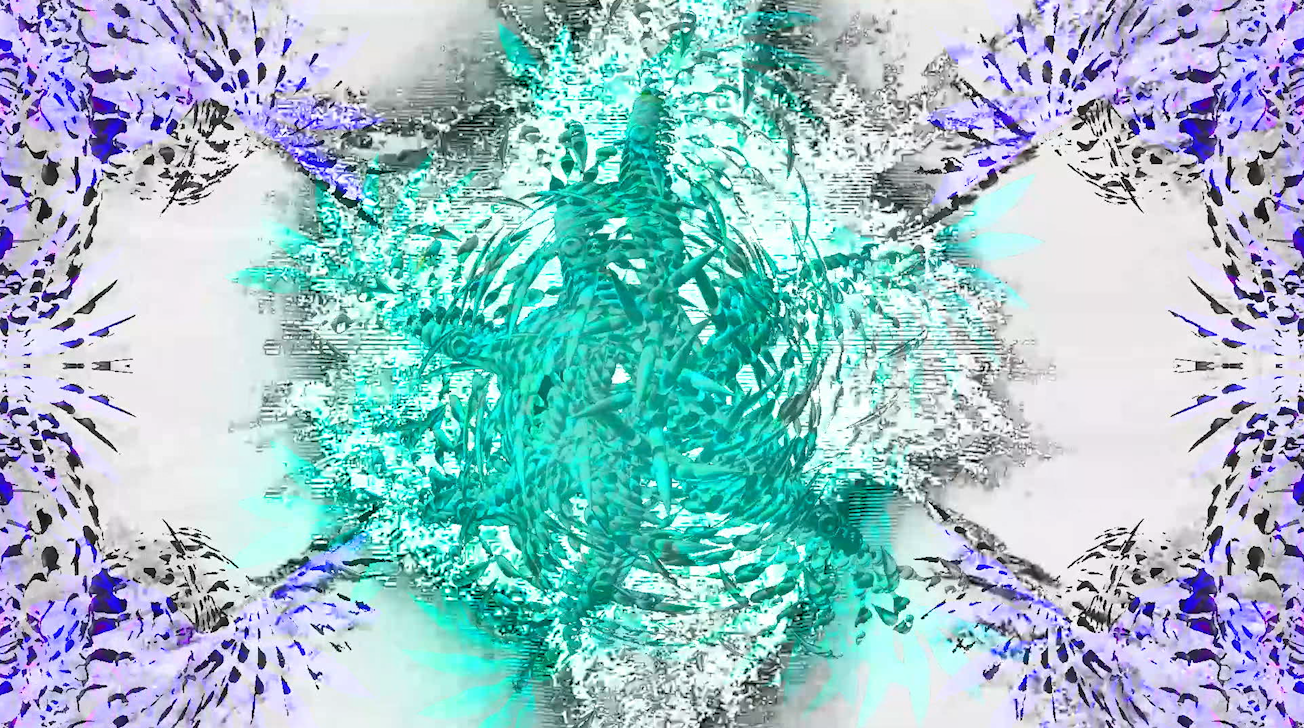
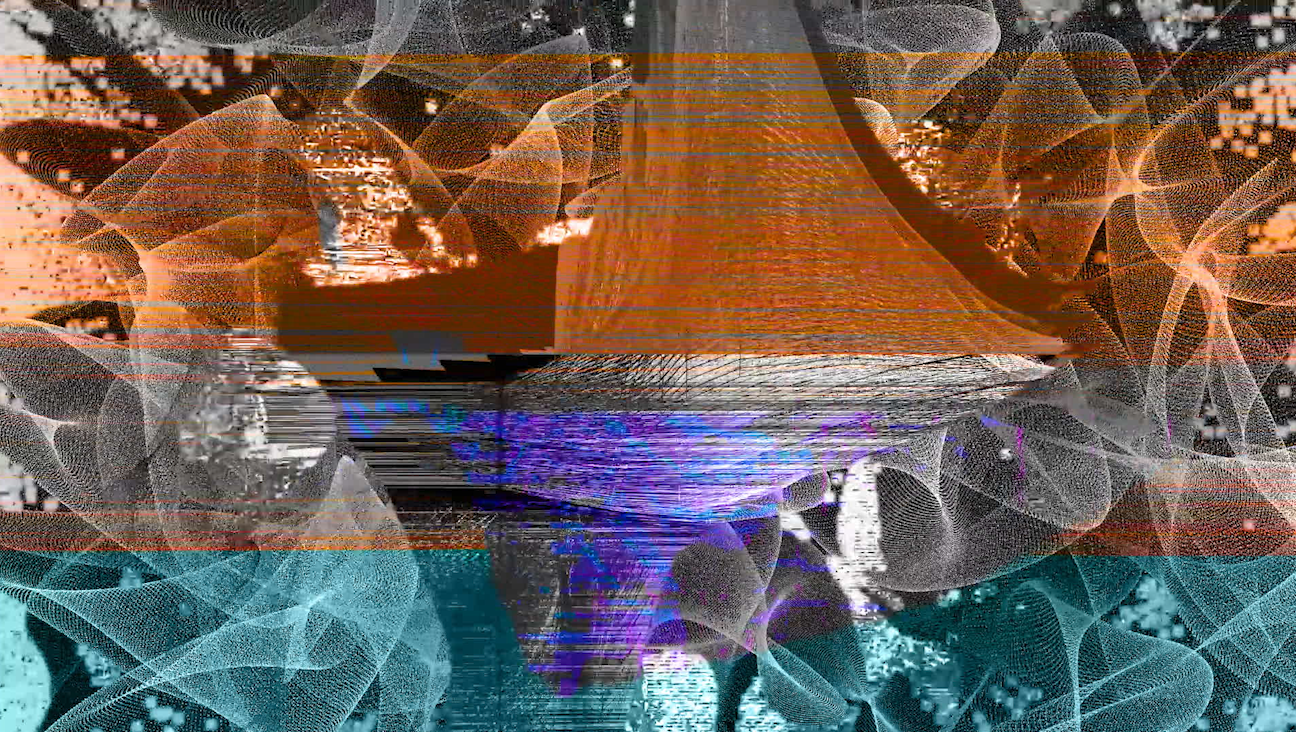
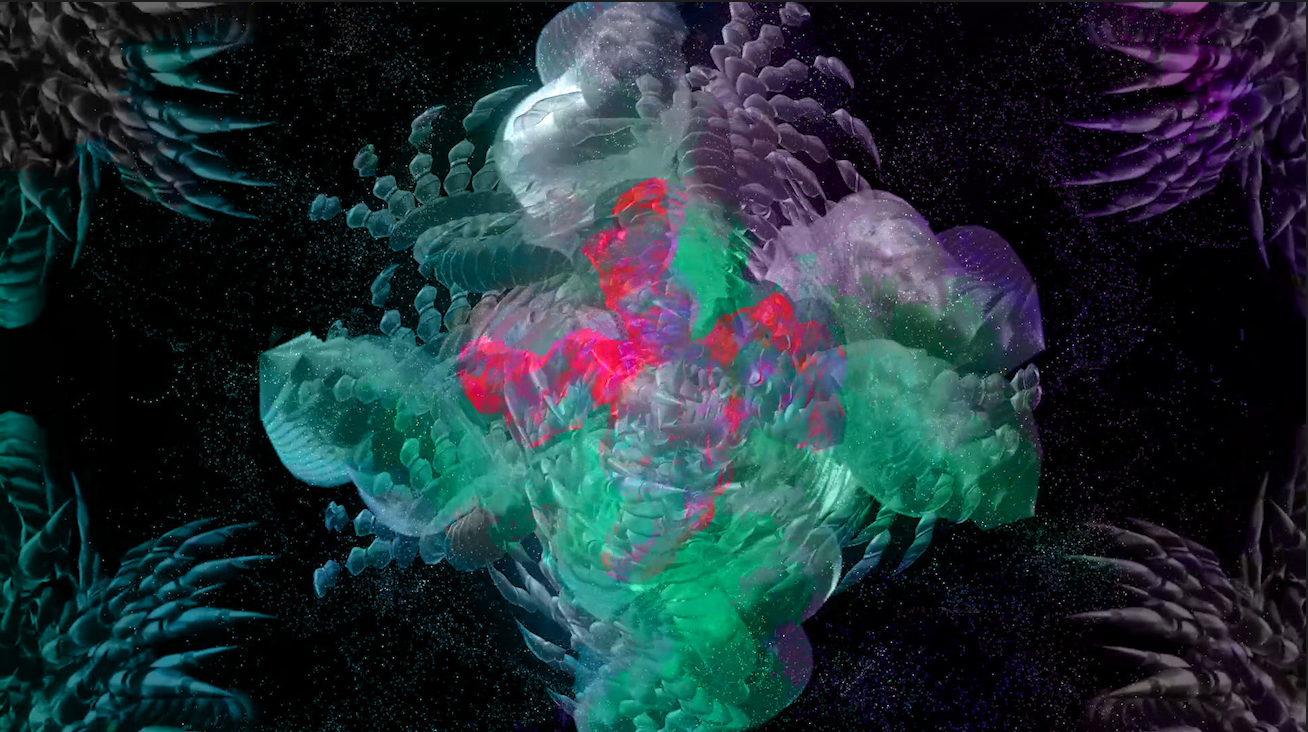
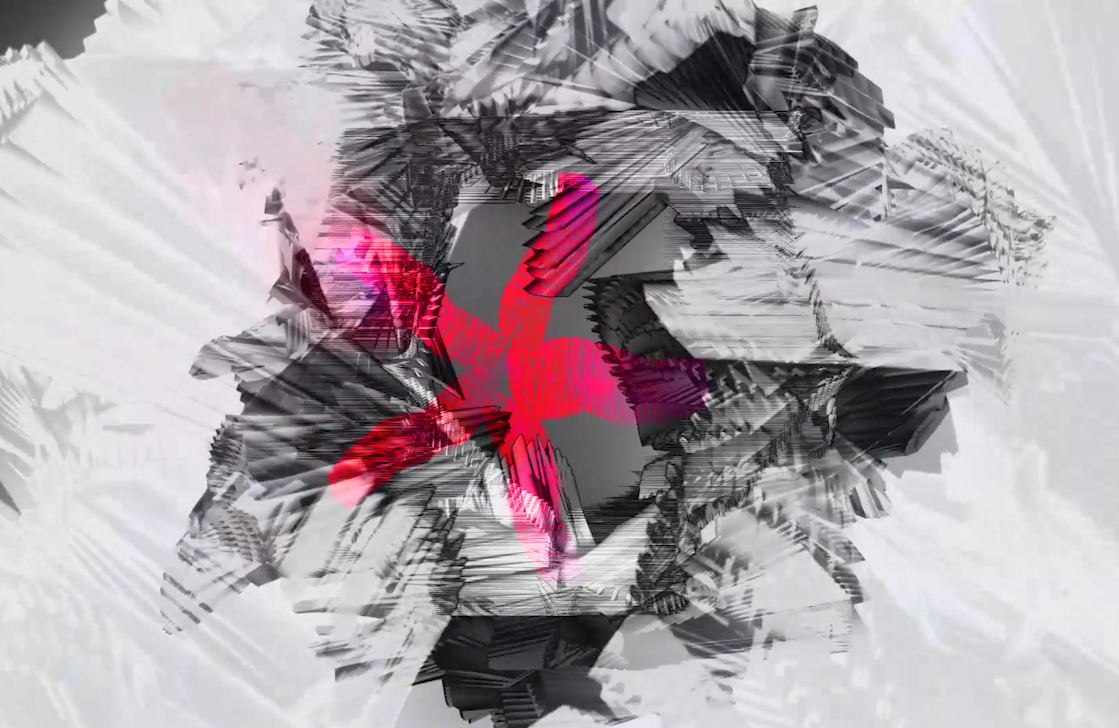
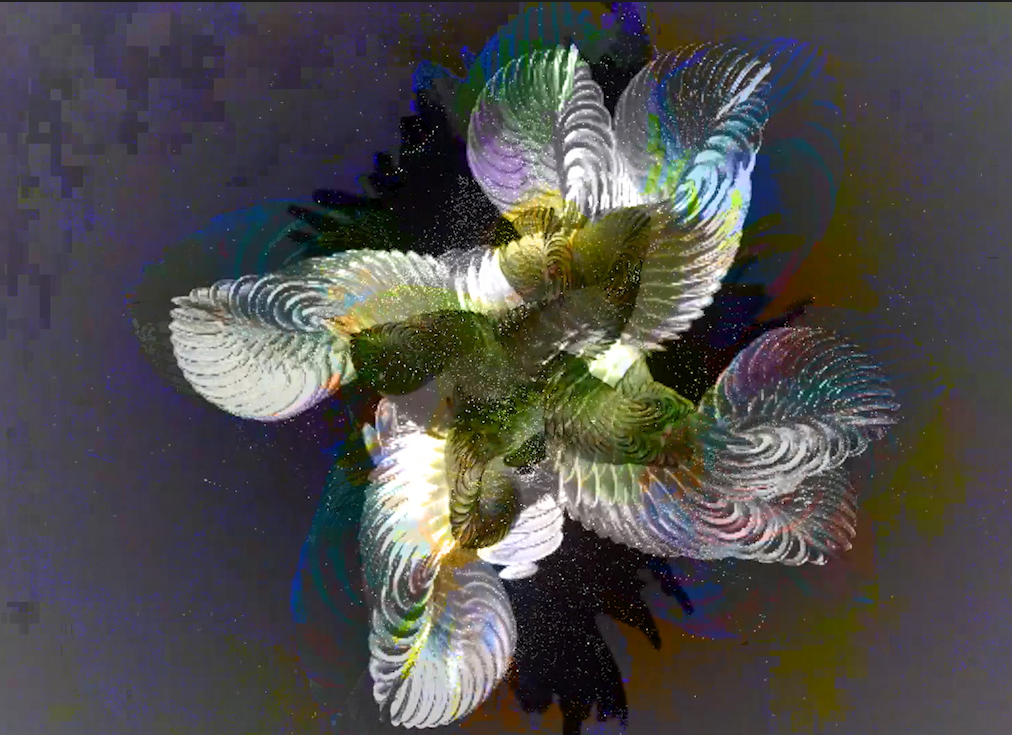
These effects are pushed further through repeated compression, especially in version 2 (above). The video is encoded and re-encoded again and again, each pass introducing new shifts and imperfections. Instead of preserving the original image, the process transforms it. The visuals slowly drift away from their source, becoming something else entirely—less a representation and more a trace of the system that produced it. You start to see how digital video actually works: how it predicts motion, how it cuts corners to save data, how it rebuilds images on the fly. What’s interesting is how much of the visual piece comes from letting the AVIdemux software do its thing. The artists set up the conditions—how the files are processed, how the compression is handled, how the audio drives the visuals—but the exact results aren’t always predictable. The software, the codecs, and the data itself all play a role in shaping what you see. In that sense, the work feels less like something that’s been fully controlled and more like something that’s been set in motion. Instead of smoothing things out, it leans into distortion, speed, and breakdown. The result is a work that feels alive with the processes that usually stay hidden—compression, error, and constant transformation—turning them into the very material of the piece.
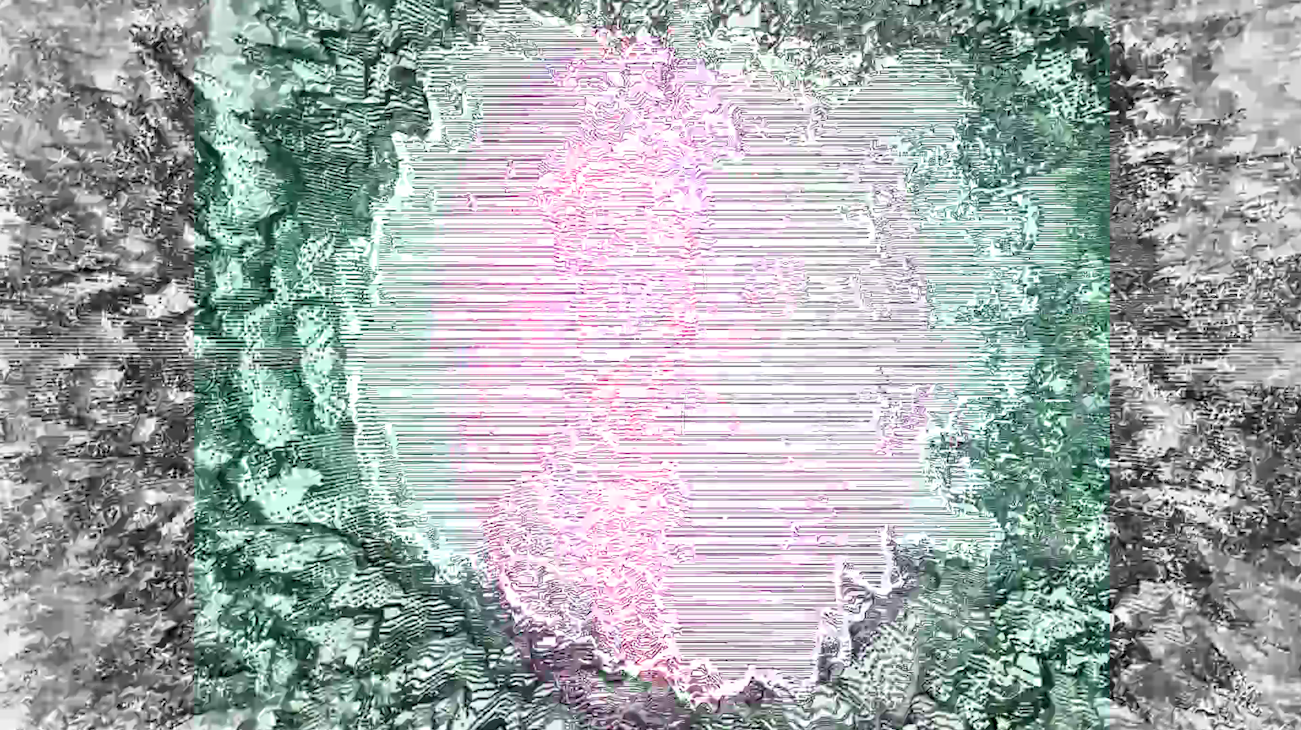
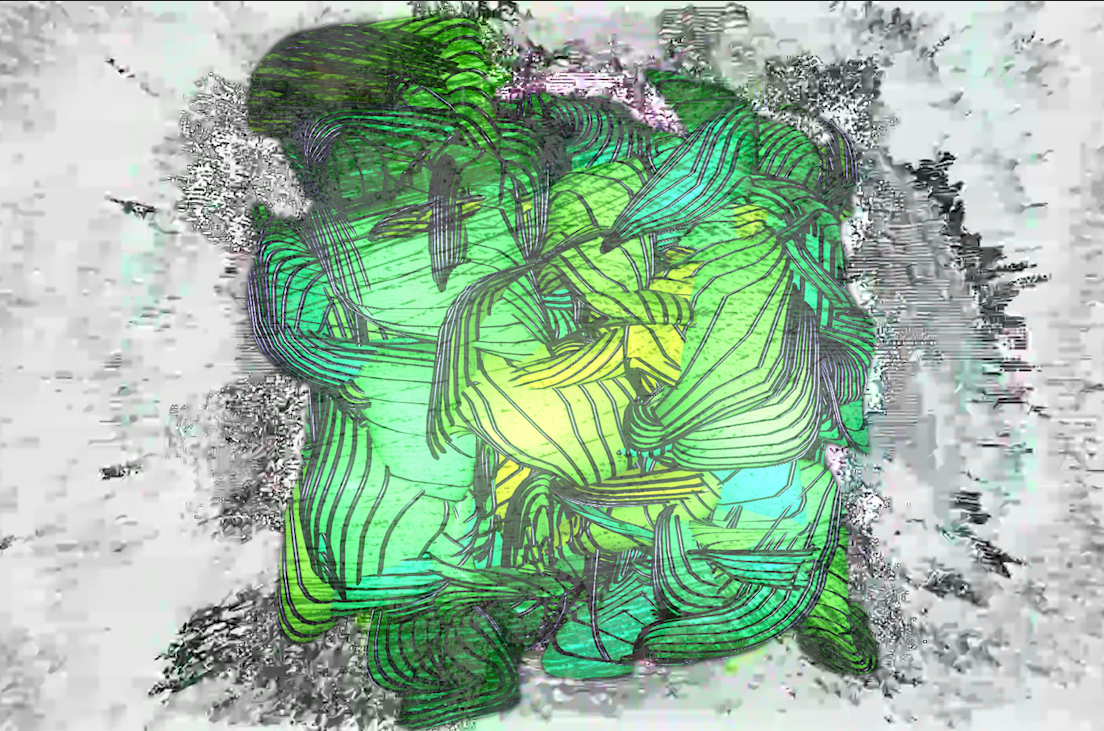
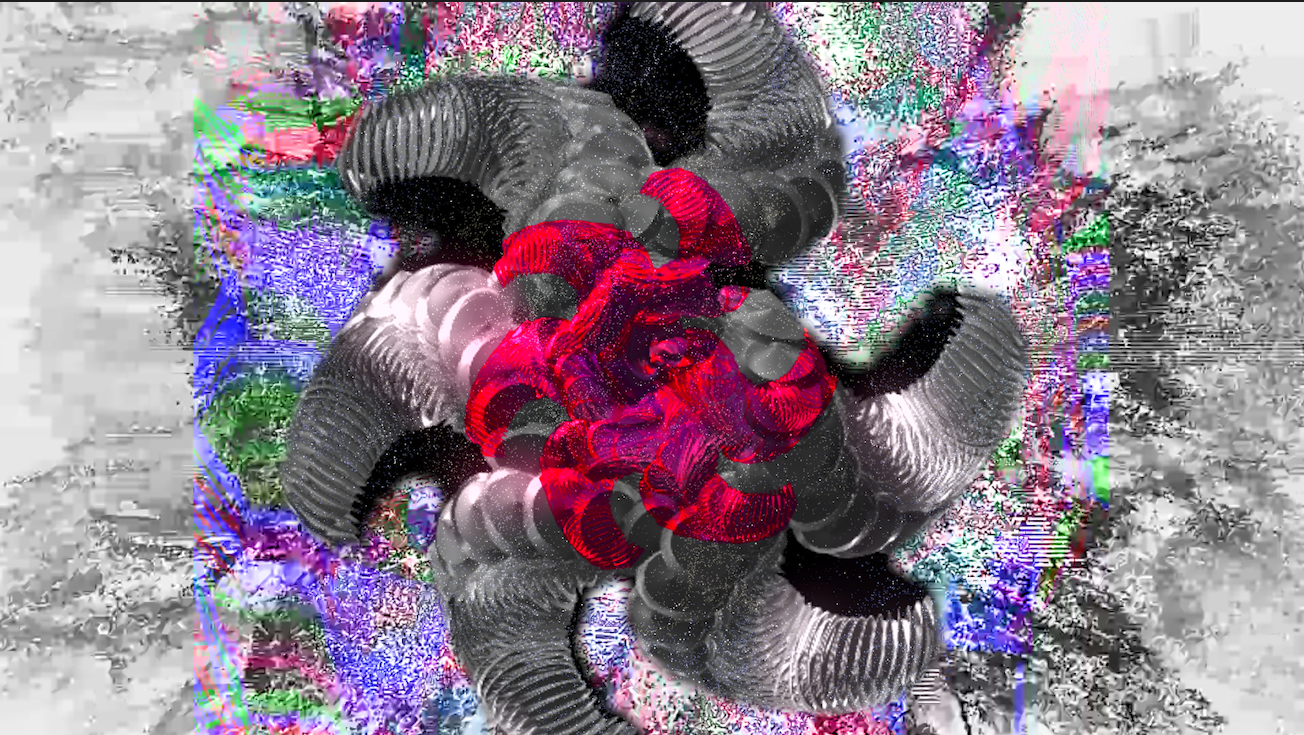
Version 1 is more pared back, but still allows an uncompromising experience of emergence through compression, speculative, distortions, and data that mashes your eye balls as much as our music.

